Two matcha, one single origin
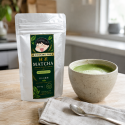
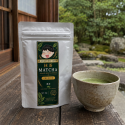
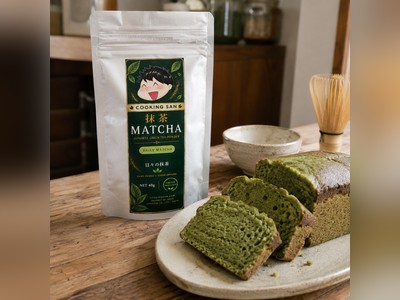
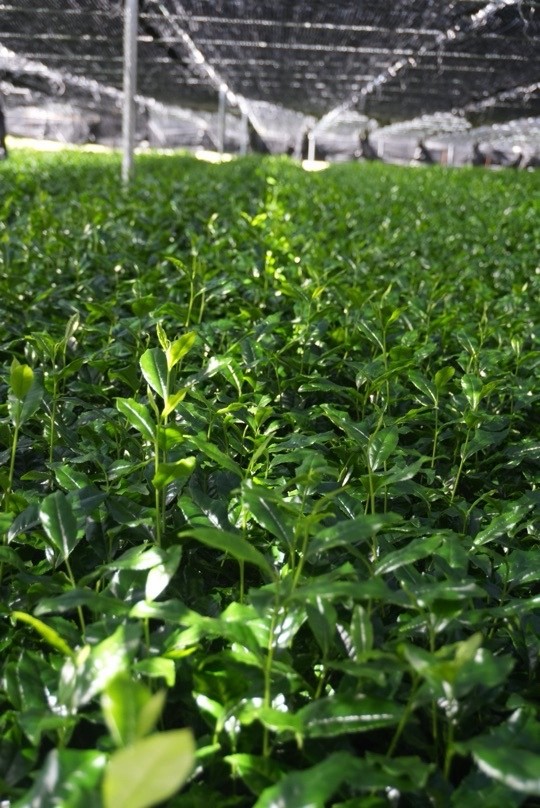
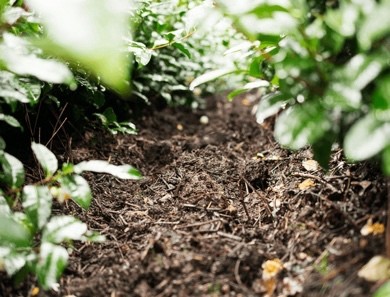
Cooking San matcha is our own brand. The leaves come from Aichi Prefecture, in central Japan, and the tea is finished in Seto — the pottery town whose name became, in everyday Japanese, the word for “tableware”: setomono, 瀬戸物. A matcha finished in the town that gave the bowls their name: sometimes things just work out nicely.
Both pouches hold a single ingredient: Japanese matcha. No flavouring, no sugar, no milk powder. The leaves are picked by hand, then stone-ground in the traditional way — that is what gives matcha its fineness.
Where our matcha comes from

Which one is right for you?
| Daily Matcha | Premium Matcha | |
|---|---|---|
| Use | Every day: lattes, baking, usucha | Traditional usucha, tasted on its own |
| Taste | Mild and versatile | Rich umami, silky texture |
| Who for | Discovering matcha, drinking it often | Enthusiasts, tasting from the bowl |
| Format | Resealable 40 g pouch | Resealable 40 g pouch, limited production |
The simple rule: if you are adding milk or sugar, take the Daily. A premium matcha whisked into a sweetened latte loses exactly what you paid for. Keep the Premium for the bowl, with hot water and nothing else.
Preparing an usucha
Usucha is the “light” matcha, the one people drink every day in Japan. Four steps:
- Sift about 2 g of matcha into a bowl. The sieve is not a whim: matcha clumps together, and lumps will not dissolve under the whisk.
- Pour in 60 to 70 ml of hot water at 70–80 °C. No boiling water — it scorches the tea and brings out the bitterness.
- Whisk briskly with a bamboo whisk (chasen), in a W motion rather than in circles, until you get a fine foam.
- Drink it straight away. The matcha settles within a minute.
Preparing a matcha latte
- Sift about 2 g of matcha into a cup.
- Add 30 to 40 ml of hot water and whisk until smooth. This step keeps lumps out of the milk.
- Top up with 150 ml of milk, hot or cold.
- Sweeten to taste.
Keeping it at its best
Matcha has three enemies: heat, damp and light. Close the zip properly after each use, keep the pouch somewhere cool and dry, and finish it fairly quickly once opened. Matcha that turns olive green has been exposed to the air: it is still drinkable, but it has lost its aroma.
The two products
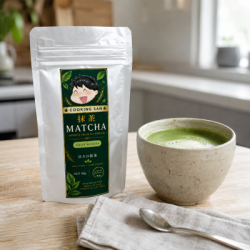
- Daily Matcha — 40 g, ¥3,290. For lattes, baking and everyday usucha.
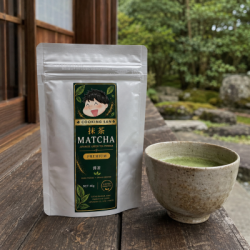
- Premium Matcha — 40 g, ¥4,990. For traditional usucha, in limited production.
Both are produced and packed in Japan, and shipped from Japan.
Share this content